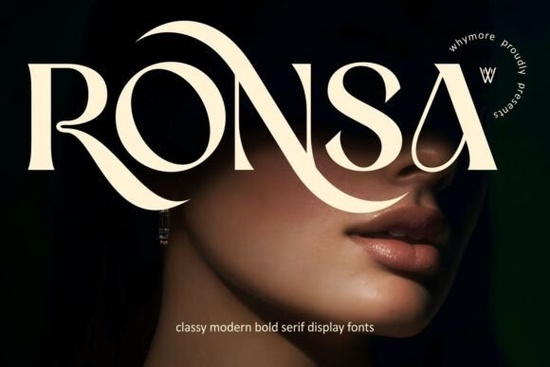
If you're working on a branding project that calls for something bold yet refined, Ronsa Font might be exactly what you need. Designed with high-contrast strokes and elegant curves, Ronsa brings a luxurious feel without sacrificing modernity. It’s especially useful for designers, small business owners, or print-on-demand creators who want their work to stand out with confidence and class.
Ronsa isn’t just another serif it’s built for impact. The bold weight gives headlines presence, while the subtle detailing in each letterform adds sophistication. Whether you’re designing a logo for a boutique brand, laying out a premium product catalog, or creating social media graphics for a luxury service, this font holds its own across both digital screens and printed materials.
What makes Ronsa different from other bold serifs?
Many bold serif fonts lean heavily into either vintage charm or stark minimalism. Ronsa strikes a balance: it feels contemporary but carries the gravitas of traditional typography. Its tall x-height improves readability even at larger sizes, and the slight flaring on terminals adds just enough flair without becoming distracting.
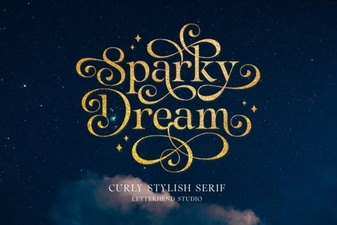
If you’ve used fonts like Sparky Dream, which leans more playful and whimsical, or Monarch Heritage, which channels classic regal aesthetics, you’ll notice Ronsa occupies its own space modern, assertive, and polished.
Who should consider using Ronsa?
This font works well for anyone needing to communicate quality and authority:
- Small business owners launching a premium product line (think skincare, candles, or artisanal foods)
- Graphic designers crafting editorial layouts for fashion or lifestyle magazines
- Print-on-demand sellers creating mockups for high-end apparel or home goods
- Crafters making elegant wedding invitations, signage, or custom packaging
Because Ronsa maintains clarity even in condensed spaces, it’s also effective for packaging labels or business cards where space is limited but visual impact matters.
How does Ronsa perform in real-world use?
In testing across various mediums, Ronsa scales beautifully. On websites, it pairs well with clean sans-serifs like Montserrat or Lato for body text, creating a clear visual hierarchy. In print, its ink traps and stroke contrast hold up well even on uncoated paper stock.
One practical tip: avoid using Ronsa in all caps for long passages. Its strength lies in headline use or short phrases where each character can shine. For longer copy, stick to lighter weights of complementary fonts.
Is Ronsa easy to pair with other typefaces?
Yes its neutral elegance makes it surprisingly versatile. Try pairing it with:
- A geometric sans-serif for tech or modern retail brands
- A delicate script for wedding or beauty-related designs
- A monospaced font for editorial or conceptual projects
The key is contrast: since Ronsa already has strong personality, choose supporting fonts that are simple and understated.
Where can you get Ronsa and is it worth it?
Ronsa is available through Creative Fabrica, which offers flexible licensing for personal and commercial use. If you’re already familiar with their platform, you’ll appreciate the consistent quality and easy download process. Compared to similar premium fonts, Ronsa delivers strong value, especially if you frequently work on client projects requiring distinctive typography.
Before committing, consider browsing related options. If Ronsa feels too bold for your current project, Sparky Dream offers a softer serif alternative, while Monarch Heritage provides a more ornate, historical vibe.
Before you finalize your choice, ask yourself:
- Does my project need bold authority or gentle elegance?
- Will this font be used primarily online, in print, or both?
- Do I have a complementary typeface ready for body text or secondary elements?
If you answered “yes” to needing bold authority and cross-medium reliability, Ronsa is likely a smart addition to your toolkit.
Try It Free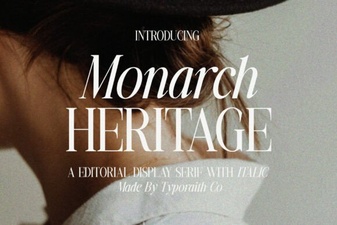 Monarch Heritage Font: Elegant Typography for Modern Projects
 Sparky Dream Font for Creative Web Projects
 Kids' Creative Font Projects for Bold Designs
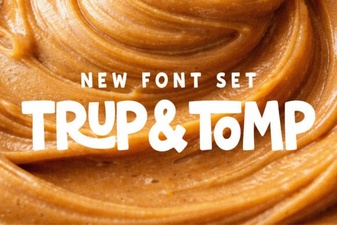 Discover the Trup & Tomp Font for Your Next Design Project
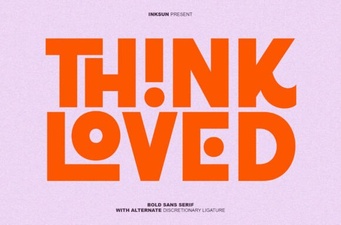 Choosing Think Loved Font for Your Creative Projects
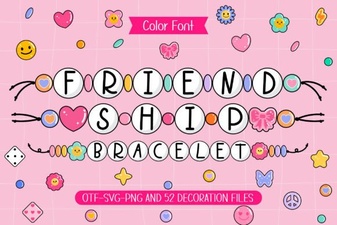 Choose a Font for Your Friendship Bracelet Design