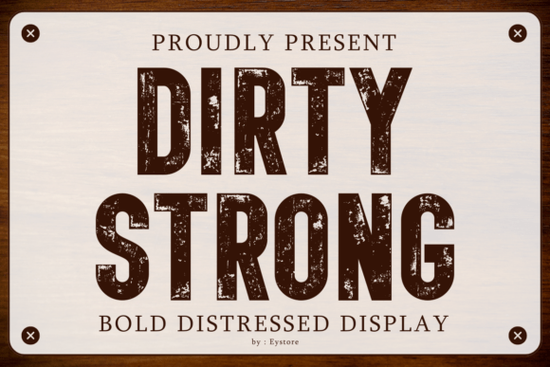
Designers often struggle to find a typeface that balances readability with attitude. When a project demands grit without sacrificing legibility, clean lines do not always deliver the message. For those creating merchandise or branding materials that require a raw aesthetic, Dirty Strong Font provides a solid foundation. It brings a heavy, textured feel to any project involving wear and tear imagery. Whether you are building logos or printing graphics for apparel, having a robust tool is essential.
Why choose a distressed typeface for branding?
A worn look works best when you want to convey age, durability, or a history that hasn't been polished away. Standard vector outlines can sometimes look too sterile for certain industries. A distressed option mimics the effect of ink cracking or metal rusting. This approach adds depth to flat surfaces. It helps the viewer understand that the brand or object being represented is built for hard work.
This style fits perfectly into markets like automotive, construction, or rugged outdoor gear. It creates a visual cue that implies reliability and toughness. You can see why vintage-inspired collections often rely on similar textures to evoke nostalgia. By choosing a font with authentic grunge, you signal authenticity to your audience. They will perceive the content as less mass-produced and more handcrafted.
How to use it effectively in print-on-demand projects
Sellers in the print space frequently search for files that handle scaling well. A display font needs to remain clear even when printed large on a warehouse wall or small on a coffee mug. With its chunky structure, Dirty Strong Font maintains visibility across different media. It avoids becoming blurry when reduced because the stroke weight is substantial.
For t-shirt designs, layering this text over background images requires careful color selection. Since the type has a rough edge, it blends well with camouflage patterns or concrete textures. High contrast is key to ensuring the letters pop against busy backgrounds. If you are designing stickers or decals, the distressed details give a weathered appearance that survives handling. It saves time because you do not need to apply extra filters or effects to get a worn look.
What alternatives exist if you need a different edge?
Every design brief has unique requirements. While this specific style suits industrial themes, other situations might call for a sharper edge. If you need something closer to metal plating, exploring industrial-grade typefaces could offer a smoother yet sturdy look. Conversely, if you prefer rounded athletic aesthetics, comparing this to traditional athletic looks provides a softer alternative.
Sometimes, designers want a font that feels handmade rather than manufactured. Options like unique character designs offer a slightly irregular stroke width for a custom feel. On the other hand, if modern minimalism is the goal, looking at modern graphic styles ensures the design stays sleek rather than gritty. Understanding these distinctions helps you select the right file for your specific client needs.
What technical factors matter for installation?
Beyond the visual style, compatibility determines whether you can actually use the asset. Ensure you download the correct file format for your software. Most creators prefer .otf or .ttf files for maximum support across Photoshop and Illustrator. Before purchasing, read the license agreement to confirm usage rights. Commercial licenses allow you to sell the artwork, while personal licenses restrict usage to private projects.
- File Formats: Check if OTF and TTF are included for easy setup.
- Licensing: Confirm commercial use rights for selling merchandise.
- System Compatibility: Verify it installs correctly on Windows and Mac.
Making the right choice saves time during production. Testing the font on a mockup before mass production prevents errors. Always back up your original downloaded folder in case you need to reinstall it later.
Implementation Checklist
- Select a color palette that complements the heavy strokes.
- Create a background texture that does not clash with the grain.
- Test the design at 10% size to ensure legs are not lost.
- Verify the font license allows reselling physical goods.
- Save a high-resolution PDF for proofing purposes.
Following these steps ensures your design looks professional and durable. Taking the time to plan the layout leads to better finished products.
Explore Design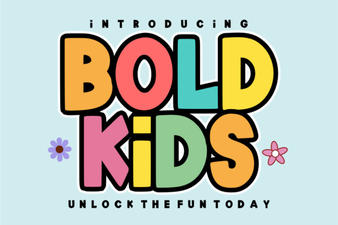 Kids' Creative Font Projects for Bold Designs
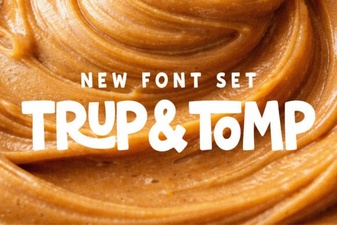 Discover the Trup & Tomp Font for Your Next Design Project
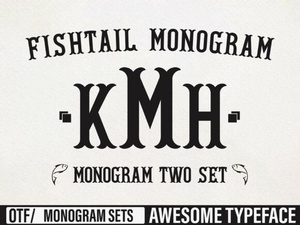 Crafting with Fishtail Monogram Fonts
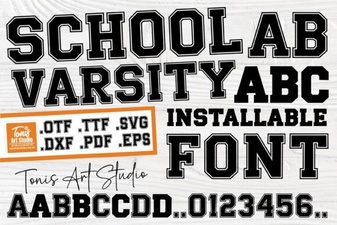 Designing with School Varsity Font Styles
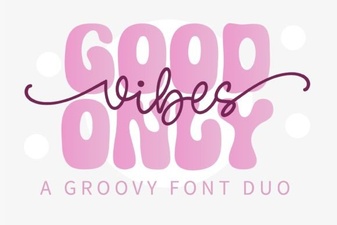 Good Vibes Only Font Duo: Creative Design Ideas
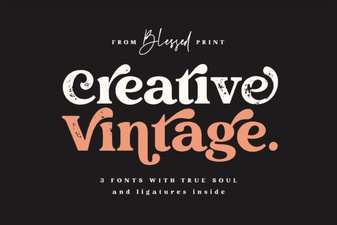 Stylish Vintage Fonts for Modern Design Projects