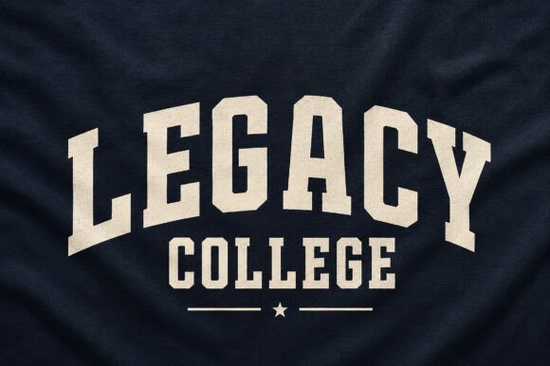
Designers often struggle to find typography that captures authentic collegiate energy without looking like a cheap imitation. The challenge lies in balancing tradition with readability, especially when printing on physical goods like t-shirts or banners. This is where the Legacy College Font fills a gap for creators seeking established character. It brings a distinct mid-century university feel to modern projects, avoiding the clichés often found in free stock images.
What Makes This Typeface Feel Authentic?
Typography relies heavily on subtle details to convey its mood. Standard block letters can feel flat, but this specific design includes a textured overlay that mimics the fabric grain seen on vintage varsity jackets. That slight noise in the strokes prevents it from looking too digital. Additionally, the arch of the baseline adds a sense of motion, making words look like they belong on a jersey rather than a spreadsheet.
If you are designing around heritage aesthetics, knowing the structural limitations helps you avoid clashes later. The characters feature consistent weight across thick vertical lines and thin horizontal slabs. You get immediate authority, which works well for logos or large headlines. It commands attention without needing extra styling effects like drop shadows.
Balancing School Themes and Streetwear
Many creators want to merge academic traditions with urban fashion trends. While some scripts work for personal messages, bold display letters anchor a brand identity. You might use this asset for campus athletic posters or alumni events where credibility matters. For those exploring similar archival looks, checking out other campus-inspired typography can help refine your vision.
Streetwear graphics demand a different balance. They need to be legible from a distance but detailed enough to hold interest up close. The built-in texture supports this by hiding minor distortion issues during screen printing. If you plan to pair this with looser handwriting fonts, you might consider a laid-back companion design to soften the rigid blocks. A good starting point is reviewing laid-back companion designs that share the same relaxed spirit.
Structural Strength and Clarity
Certain projects require type that remains heavy even at smaller sizes. Unlike delicate serifs that vanish when scaled down, these sturdy glyphs maintain their silhouette. This ensures clarity on items like phone cases or coffee mugs where space is limited. The geometry supports a masculine tone, though it can easily shift depending on color choices and spacing.
For teams seeking a rugged edge beyond soft curves, analyzing options with bold geometric structures provides inspiration. You do not always need the arched shape to create impact. Sometimes straight alignment offers the necessary stability for corporate events or sponsorship boards. Exploring the full archive allows you to compare variations before committing to a final layout.
Considering File Formats and Licensing
Before purchasing, verify the file types included in the package. Most vendors provide TrueType or OpenType files compatible with major software. Ensure your preferred editor supports custom kerning pairs. Even high-quality fonts can suffer if spacing isn't adjusted manually, particularly with words featuring repeated letters like "ll" or "ee".
Licensing terms vary significantly for Print on Demand sellers. Some licenses restrict sales on mass-market platforms without extra fees. Always read the agreement to understand distribution rights. If your business model involves scaling products, having clear legal ground prevents future disputes. A quick review of cosmic-themed lettering licenses shows how restrictions differ across categories.
Preparing Files for Production
Once you have downloaded the assets, organize them in folders before starting design work. Convert text to outlines only after confirming everything looks correct, as this removes editability. High-resolution exports prevent jagged edges when printing. Test your designs on actual samples if possible to see how the ink interacts with the material.
- Check License: Confirm commercial use is allowed for your specific business model.
- Test Spacing: Adjust kerning manually to fix awkward gaps between tight letters.
- Outline Paths: Convert text to paths before sending to a printer to preserve fonts.
- Save Copies: Keep editable source files archived for future edits.
- Match Colors: Use CMYK profiles for print or sRGB for digital displays to avoid mismatches.
Building lasting brands requires consistency in every element, including lettering. Selecting the right tool sets the foundation for quality. With careful selection and proper application, these fonts help turn ordinary graphics into memorable brand marks that stand the test of time.
Get Started Kids' Creative Font Projects for Bold Designs
 Discover the Trup & Tomp Font for Your Next Design Project
 Dirty Strong Font: Bold Design Projects
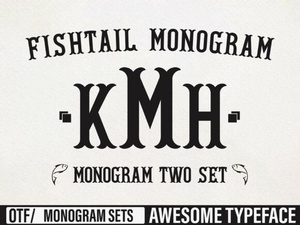 Crafting with Fishtail Monogram Fonts
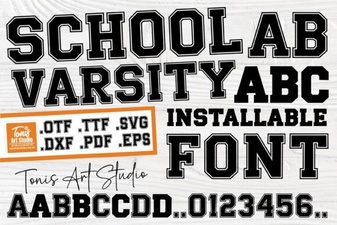 Designing with School Varsity Font Styles
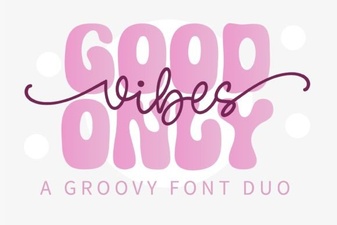 Good Vibes Only Font Duo: Creative Design Ideas